Legal Protection
Unlicensed contractors cannot pull DOB permits in NYC. If something goes wrong, you have less legal recourse and insurance is often worthless.
A practical guide to spot scammers, verify licenses, and protect your renovation investment in New York City.
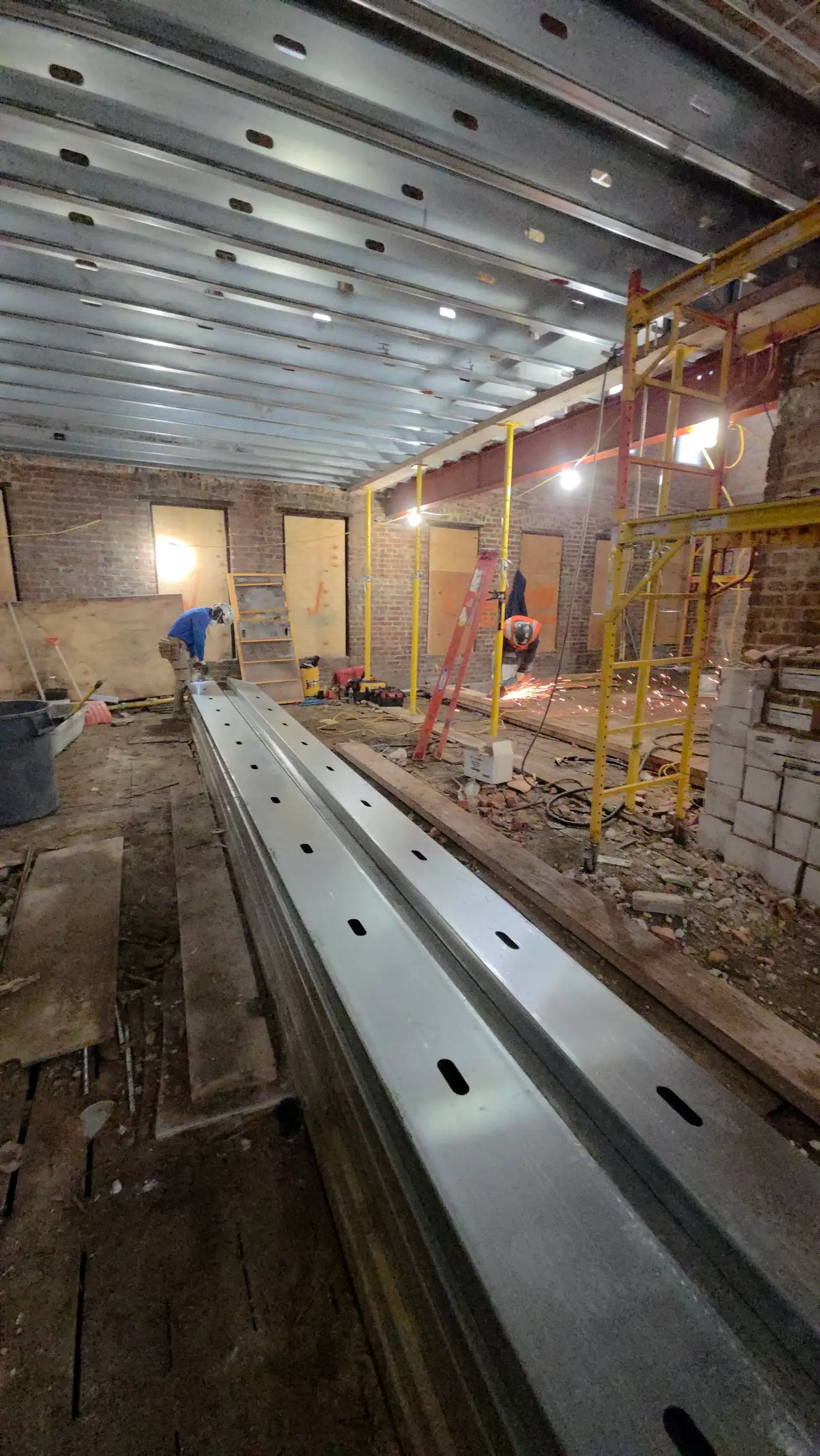
Hiring the wrong contractor can cost you tens of thousands of dollars, months of delays, and serious legal problems. In NYC, where regulations are strict, the wrong choice is even more painful.
We've been a licensed New York contractor for 20+ years. We've also seen the damage unlicensed and bad contractors leave behind, when homeowners hire us to fix it.
Jump to the 12 Red FlagsUnlicensed contractors cannot pull DOB permits in NYC. If something goes wrong, you have less legal recourse and insurance is often worthless.
Co-ops, condos, and rental buildings require contractor licenses and COIs before workers can enter. An unlicensed contractor can't get past the doorman.
Only licensed contractors can legally do major work like interior remodeling, kitchen, or bathroom renovations and file with NYC DOB.
If you spot any of these, pause and reconsider. Real licensed contractors don't do these things.
If a contractor avoids showing their NYC DCWP license, gives you an out-of-state one, or claims they don't need one — walk away.
Cash-only contractors are usually avoiding taxes, insurance, or licensing. Get everything in writing — scope, materials, timeline, warranty.
Bids 30-50% below others are missing permits, materials, or labor. The cheapest contractor often becomes the most expensive in the end.
Without COIs naming you or your building as additional insured, you can be held liable if workers get hurt on your property.
Stop work orders, penalties of $1,500-25,000, and insurance denial. Skipping permits is never a good idea in NYC.
Standard NYC deposits are 10-30%. Demanding 50%+ upfront is a red flag. 100% upfront is a major red flag.
Legitimate NYC contractors have real recent projects, before-and-after photos, and references. Generic portfolios are warnings.
Real contracts list materials by brand and model. Vague scopes like "install kitchen cabinets" leave room for lower-grade materials.
Real contractors give you time to think and compare. 24-hour deadlines and "special prices that expire today" are sales gimmicks.
Cell-only contacts and PO Box addresses are red flags. Real NYC contractors have business addresses, phones, and verifiable websites.
Professionals talk about their own work. Trashing competition instead of explaining their approach is a confidence warning.
If they get impatient explaining permits, timeline, payments, and inspections — that's a major red flag. You deserve clarity.
Five quick checks before you sign with anyone. Takes less than 30 minutes.
Check the contractor's Home Improvement Contractor license number on the NYC DCWP website. Free, takes 2 minutes.
If plumbing or electrical work is needed, verify Licensed Master Plumber and Electrician licenses on NYC DOB websites separately.
Request current COIs for general liability and workers comp — naming you or your building as additional insured.
Compare scope, materials by brand and model, permit fees, allowances, and timeline. Vague estimates are a red flag.
If the contractor has active work in your area, ask to visit. Quality of finish and crew professionalism tell you a lot.
Milan Design Construction passes every one of the 12 checks. Licensed Master Plumber and Electrician on staff. Free written estimates.
NYC contractors need a DCWP Home Improvement Contractor license. Licensed Master Plumbers and Electricians have separate licenses through NYC DOB. Verify both on the appropriate NYC government websites for free.
Standard NYC contractor deposits are 10-30% of the contract value. Progress payments follow construction milestones. Final 5-10% should be held as retainage until punch list and final inspection complete.
General liability insurance covers damage to your property and neighbors. Workers compensation covers worker injuries. Disability insurance is also required by NYC. Ask for current COIs naming you or your building as additional insured.
Yes, for most work. Painting and minor cosmetic work do not need permits. Anything involving plumbing, electrical, walls, or structural changes does. A licensed contractor knows what your specific scope requires under NYC code.
Often yes. Bids that come in 30-50% below others are typically missing scope, materials, or permits. The cheap contractor becomes the expensive one once change orders start. Get three bids and compare what is included.
Check Google reviews, Yelp, Better Business Bureau, and DCWP records. Look for patterns in reviews, not isolated complaints. Verify the business has been around for at least a few years. Visit actual recent project sites if possible.
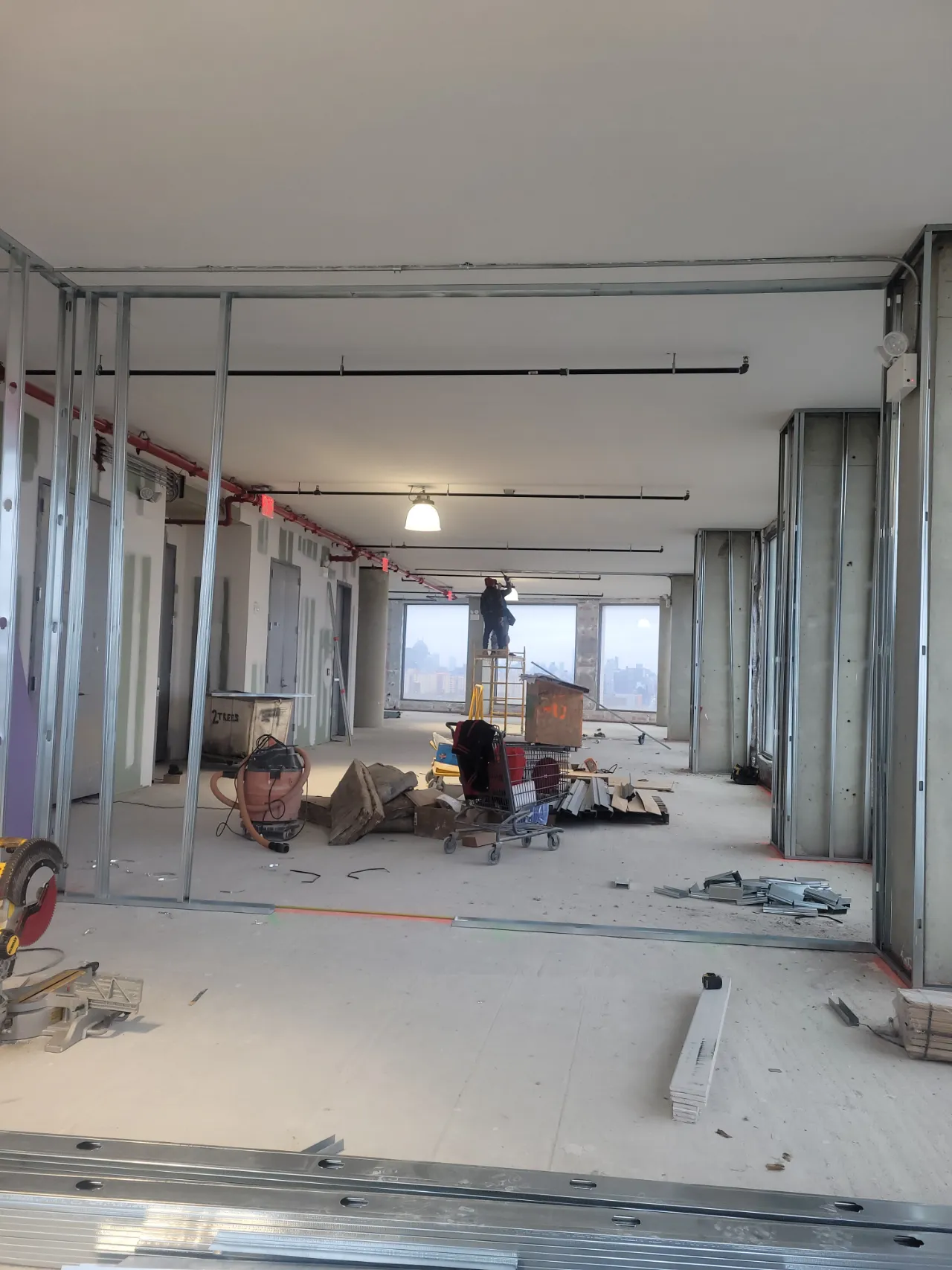
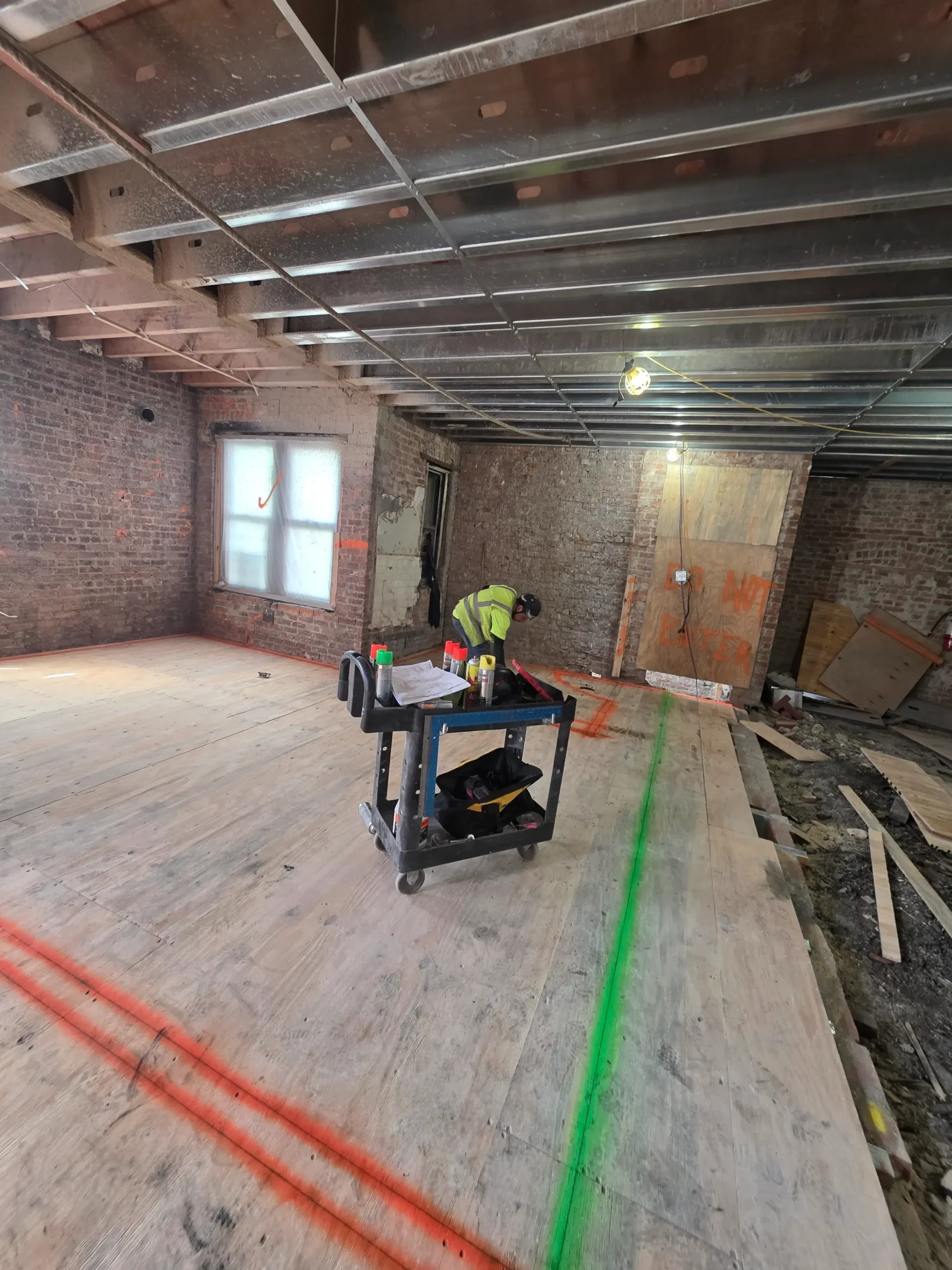
Milan Design Construction has been a licensed New York contractor for 20+ years. Licensed Master Plumber and Master Electrician on staff. Full insurance. Written estimates on every project.