Board Approval Required
Before any work starts, your alteration agreement package must be approved. Most NYC co-op boards meet once a month, adding 4-12 weeks before construction can begin.
A real timeline guide for board approval, permits, demo, rough-in, tile, and final sign-off — with common delays and how to avoid them.
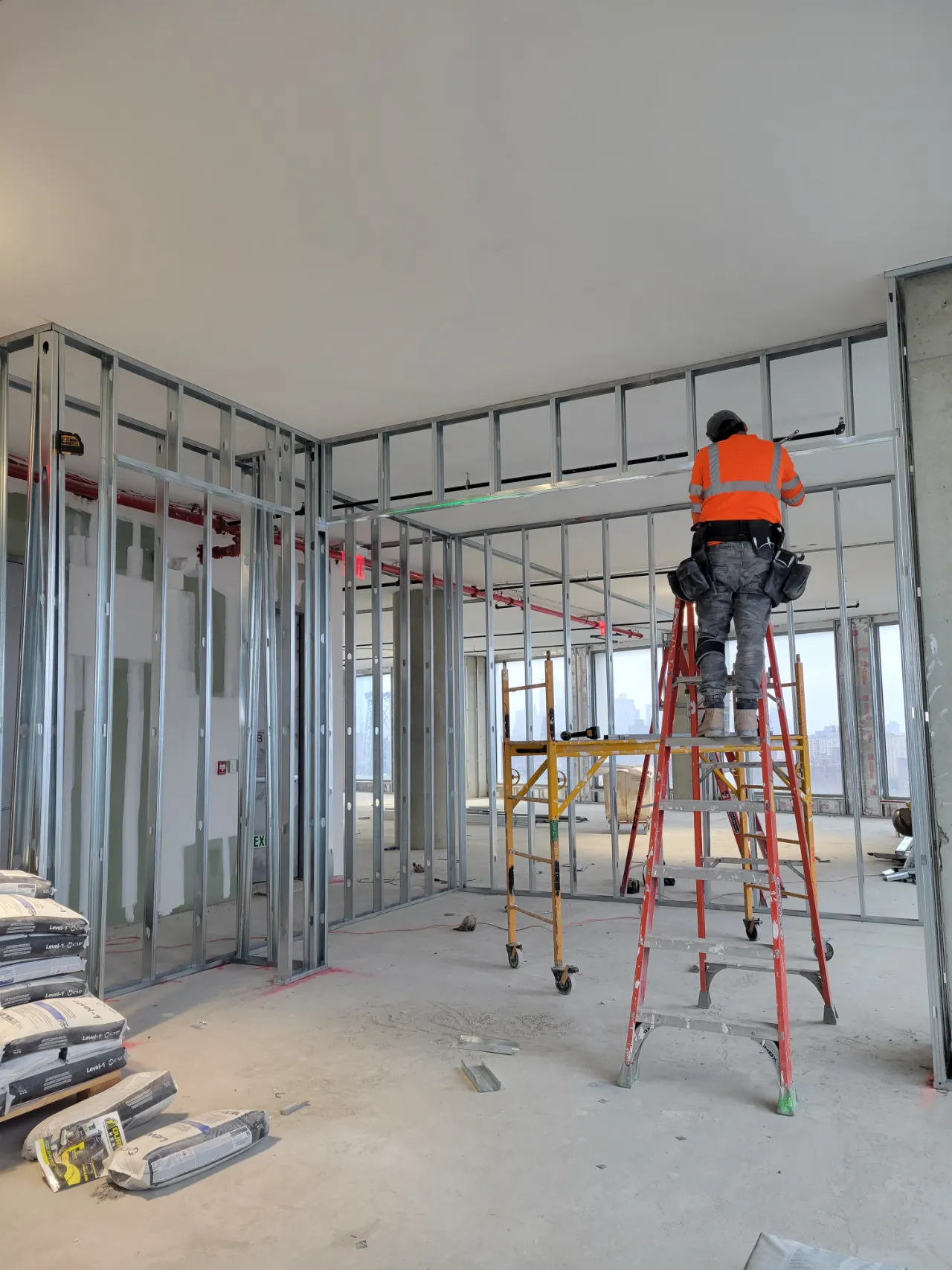
If you're planning a bathroom renovation in a NYC co-op, you've probably already heard it takes longer than people expect. That's true. But it doesn't have to be a mystery.
We've renovated co-op bathrooms in Manhattan, Brooklyn, and the Bronx for 20+ years. The timeline isn't random — it's a sequence of approvals, permits, and construction phases you can plan around if you know what's coming.
Jump to the 7 PhasesBefore any work starts, your alteration agreement package must be approved. Most NYC co-op boards meet once a month, adding 4-12 weeks before construction can begin.
NYC co-ops strictly enforce wet-over-dry rules to protect neighbors from leak liability. This affects what you can move and where, and adds plan review complexity.
Freight elevator slots, delivery windows, and demo days are all controlled by the building. A missed slot means waiting another week. Planning matters.
Each phase has its own duration, prerequisites, and possible delays. Knowing them upfront lets you plan around them.
Submit alteration agreement package with drawings, plumbing diagrams, licenses, COIs, and deposit. Strict boards or quarterly meetings can stretch this to 3-4 months.
Licensed Master Plumber files plumbing permit. Licensed Master Electrician files ELEC1 if circuits change. DOB processes most plumbing permits in 2-3 weeks.
Floor protection, plastic containment, HEPA filtration. Standard demo takes 3-5 days. Prewar buildings with asbestos or lead can add a week for abatement.
LMP runs new supply and drain lines tied to the building riser. LME runs new circuits. DOB inspects rough-in plumbing before walls close. Delays add 3-7 days.
Sound insulation, moisture-resistant drywall, Schluter-Kerdi or RedGard waterproof membrane in shower and tub areas. Critical for wet-over-dry compliance.
Floor and wall tile, grout, seal. Vanity, mirror, glass shower door, faucet, light fixtures. Mosaic patterns or full-marble can stretch to 3 weeks.
Touch-up paint, caulk, hardware. DOB final plumbing inspection. Once passed, DOB closes permit. Co-op releases deposit. Project officially complete.
Most co-op delays come from the same handful of issues. Planning around them keeps your timeline on track.
Submit a complete board package on day one. Hire a contractor who knows your specific building. Bad packages get returned and restart the clock.
Order vanities, glass shower doors, and special tile within 2 weeks of contract signing. Custom items have 6-12 week lead times. Don't wait.
Budget 10-15% contingency on every co-op bathroom. Prewar buildings often hide surprises: old cast iron drains, asbestos floor tile, lead paint.
Lock down delivery and hauling days with the building before demo starts. Some co-ops only allow demo on specific weekdays. Missed slots cost a week.
Schedule inspections as soon as work is ready, not the day before. Inspectors can be 3-7 days out. Plan ahead and have everything documented.
Milan Design Construction handles board packages, DOB filings, demo, rough-in, tile, and final sign-off. 20+ years of NYC co-op renovation experience.
Total time from contract signing to final sign-off is typically 4 to 6 months. Construction itself takes 6 to 10 weeks. Board approval and permits add 6 to 16 weeks on the front end before any work starts.
A complete board package on day one saves weeks. Use engineered drawings, contractor licenses, COIs, and product specifications that match what your building requires. Bad packages get returned, which restarts the clock.
Not usually. We seal off the bathroom, set up containment, and clean daily. Most clients live through the project with a temporary plan for showering at a gym or friend's place if it's your only bathroom.
Wet-over-dry rules prevent new bathrooms or kitchens from being installed above neighbor dry rooms like bedrooms or living rooms. Most NYC co-op boards enforce this rule strictly to protect neighbors from leak liability.
Yes. NYC code requires a Licensed Master Plumber to file plumbing permits and complete bathroom rough-ins. Your contractor either has one in-house or works with one. Both options are fine, but verify before signing.
Board approval is by far the most common cause of delay. Buildings that meet monthly and have strict review processes can take 3 months just to approve the project before construction starts.
Only if you're swapping fixtures in the exact same location with no plumbing changes. Any bathroom remodel that moves plumbing, changes drains, or adds circuits requires DOB permits filed by licensed professionals.
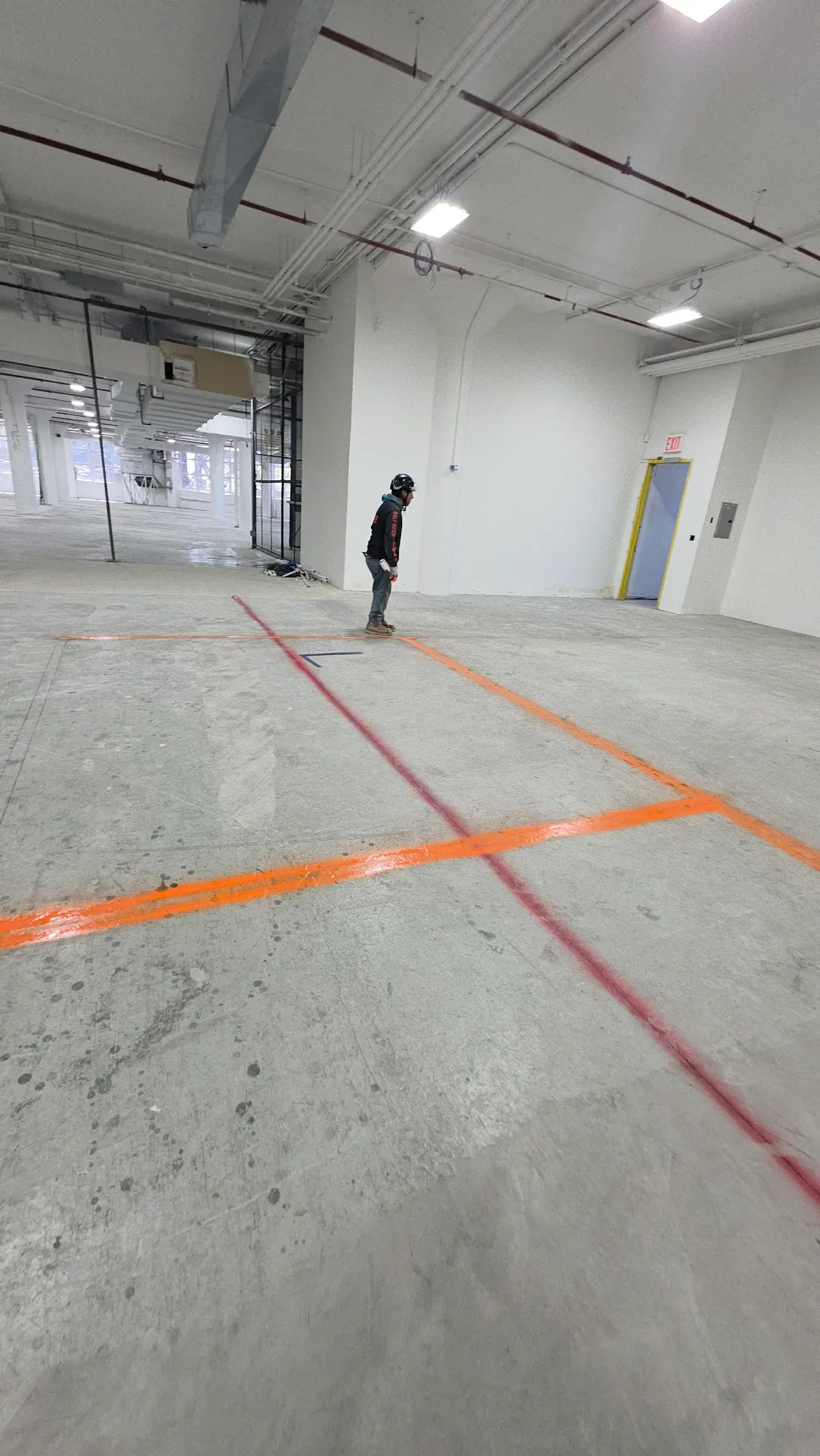
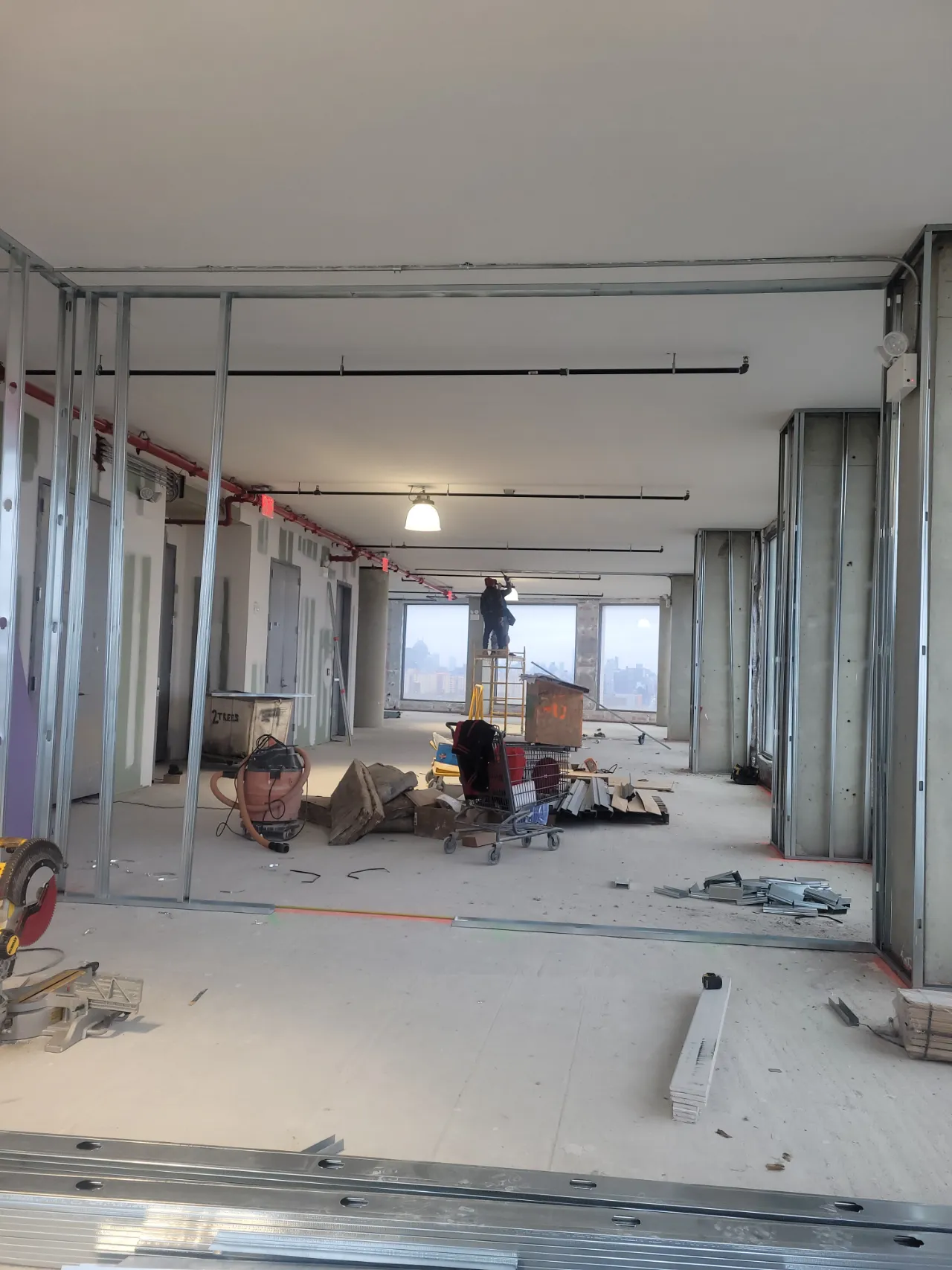
Milan Design Construction handles the full process: board package preparation, DOB filings, demo, rough-in, tile, and final inspection sign-off. 20+ years of NYC co-op renovation experience. Request a free estimate or call now.