Pre-1920 Materials
Plaster and lathe walls, original oak strip flooring, lead paint, asbestos in old finishes, knob-and-tube wiring. Every system needs assessment before work starts.
Hazardous materials, party walls, original woodwork, common scope, permits, timeline, and what to budget for a 100-year-old home.
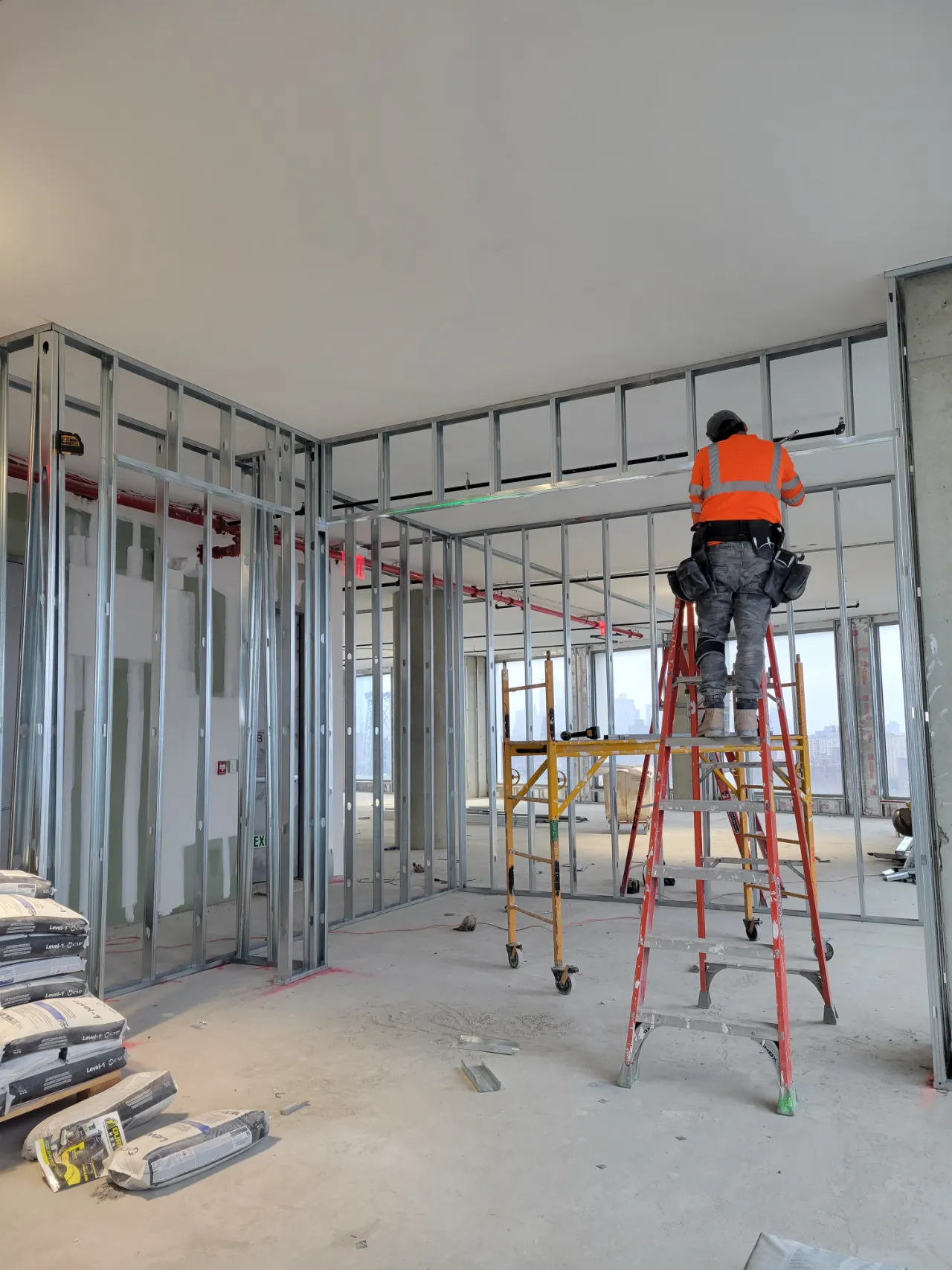
Owning a Brooklyn brownstone is amazing. Renovating one is a different story. These homes are 100-140 years old, built before most modern building practices existed, and full of conditions you won't find in newer construction.
We've renovated brownstones in Park Slope, Brooklyn Heights, Cobble Hill, Bed-Stuy, and Carroll Gardens for 20+ years. Here's what every owner should know before starting.
Jump to Key ConsiderationsPlaster and lathe walls, original oak strip flooring, lead paint, asbestos in old finishes, knob-and-tube wiring. Every system needs assessment before work starts.
Ornate trim, pocket doors, parquet borders, ceiling medallions, decorative staircases. These add value and character — and need careful preservation.
Every brownstone shares walls with neighbors on both sides. Demolition, noise, and structural work need careful coordination to avoid damage and liability.
Each of these affects scope, cost, timeline, and safety. Address them upfront — not mid-construction when surprises cost the most.
Virtually every pre-1978 brownstone has lead paint under newer finishes. NYC requires lead-safe work practices: containment, HEPA vacuums, trained workers.
Old vinyl tile, popcorn ceilings, pipe insulation, boiler insulation, sometimes plaster. Test before demo. Licensed abatement contractors remove if present.
Shared structural walls with neighbors on both sides. Demolition can damage neighbor finishes. Use containment, avoid impact tools, coordinate notice.
Not drywall. Original walls are plaster over wood lathe. Repair, skim coat, or full replacement depending on condition. Plaster work is a different skill.
Mix of lead waste lines, galvanized supply (1940s), and copper (1980s). Full repipe is common scope — modern PEX or copper supply, PVC waste, new fixtures.
Original electrical from late 1800s. Full rewire to modern Romex is standard. Panel upgrade to 200 amps. New circuits, outlets, grounding throughout.
Park Slope, Brooklyn Heights, Cobble Hill have strict LPC oversight on exterior facades, windows, and street-facing changes. Interior usually free.
Original trim, crown moldings, pocket doors, parquet floors, ceiling medallions. Carefully remove, repair, reinstall. Custom milling matches missing pieces.
Most full brownstone renovations include the same five categories of work. Modernize systems, preserve historic details.
Replace knob-and-tube and old BX with modern Romex. Panel upgrade to 200 amps. New circuits, grounded outlets, GFCI in wet areas, hardwired smoke detectors.
Lead waste line replacement. Galvanized supply replaced with PEX or copper. New main valve, water heater, all fixtures. Filed by Licensed Master Plumber.
Patch and skim coat sound plaster. Replace damaged sections with new plaster or moisture-resistant drywall. Match original textures and profiles.
New cabinets, countertops, tile, fixtures, lighting. Modern layouts and finishes throughout. Both rooms typically demand the most budget and time.
Carefully remove, repair, refinish, and reinstall trim, pocket doors, staircases, parquet floors, and ceiling medallions. Custom mill to match missing pieces.
Milan Design Construction handles lead and asbestos coordination, plaster work, historic preservation, full modernization, and permits. Free estimates.
Full gut renovations of a 3,000 to 5,000 square foot brownstone typically run $500,000 to $1.5 million plus. Selective renovations covering kitchen, bathrooms, and main finishes run $200,000 to $500,000 in most cases.
Full gut renovations take 9 to 18 months from contract signing to move-in. Selective renovations of one or two floors take 4 to 8 months. Single rooms take 2 to 4 months including permits and approval.
Many do. Brooklyn brownstones built between 1880 and 1920 predate asbestos regulations. Asbestos shows up in old vinyl tile, popcorn ceilings, pipe insulation, and sometimes plaster. We test before demo on every brownstone project.
Yes, and most owners want to. Original trim, pocket doors, parquet floors, and ceiling medallions all stay. We carefully remove, repair, and reinstall historic woodwork. Custom milling matches missing pieces to original profiles.
Interior work typically doesn't need LPC approval. Exterior work in landmark districts does. Park Slope, Brooklyn Heights, and Cobble Hill have strict LPC oversight on facades, windows, and street-facing changes.
Brownstones owned as single-family homes don't need board approval. Brownstones converted to condos or co-ops do need board or HOA approval, which typically takes 4 to 12 weeks depending on building governance.
Most full gut renovations require moving out. Selective renovations of one or two floors can be done while you live in other parts of the brownstone. We discuss this during the planning phase based on your project scope.
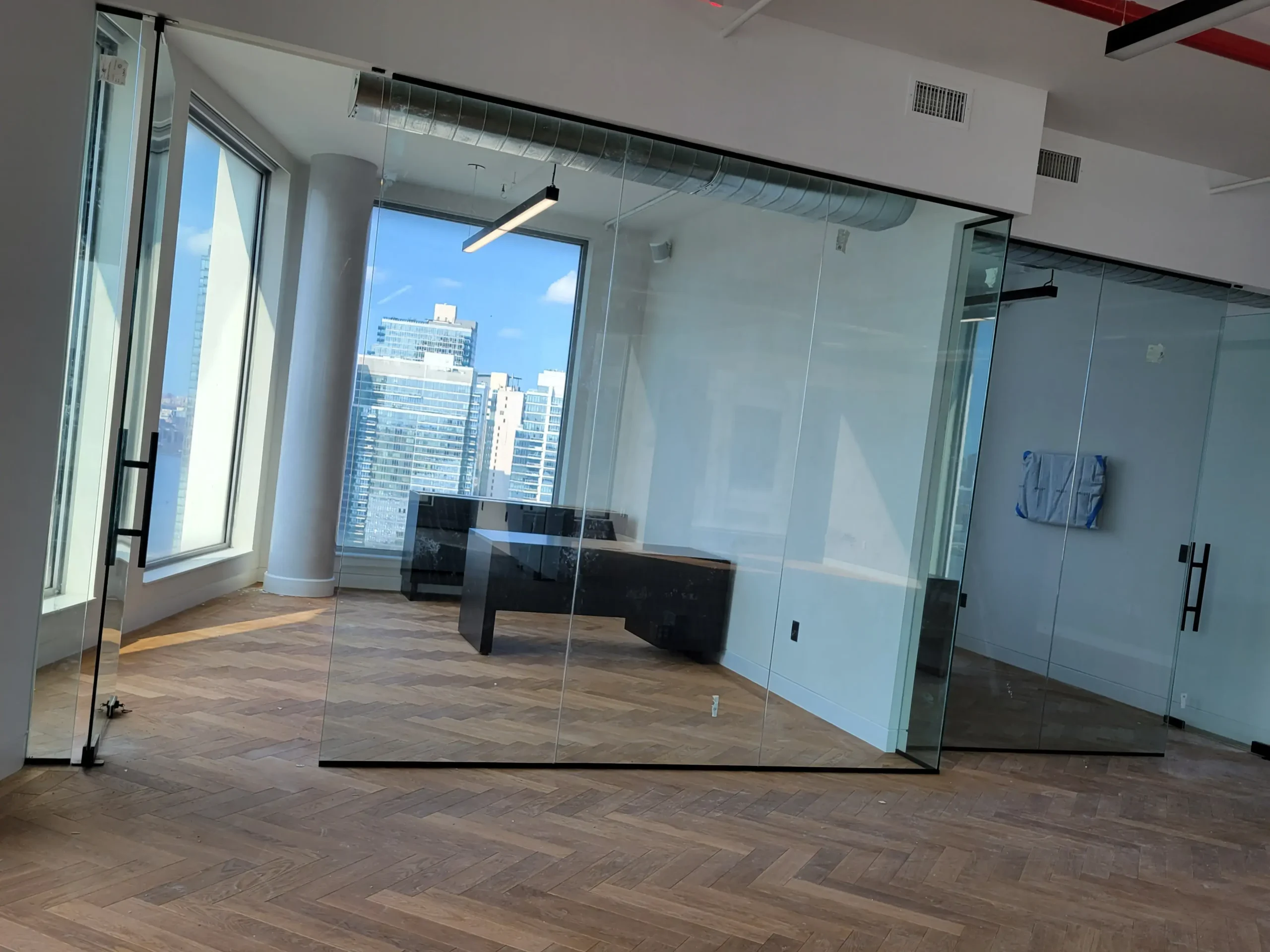
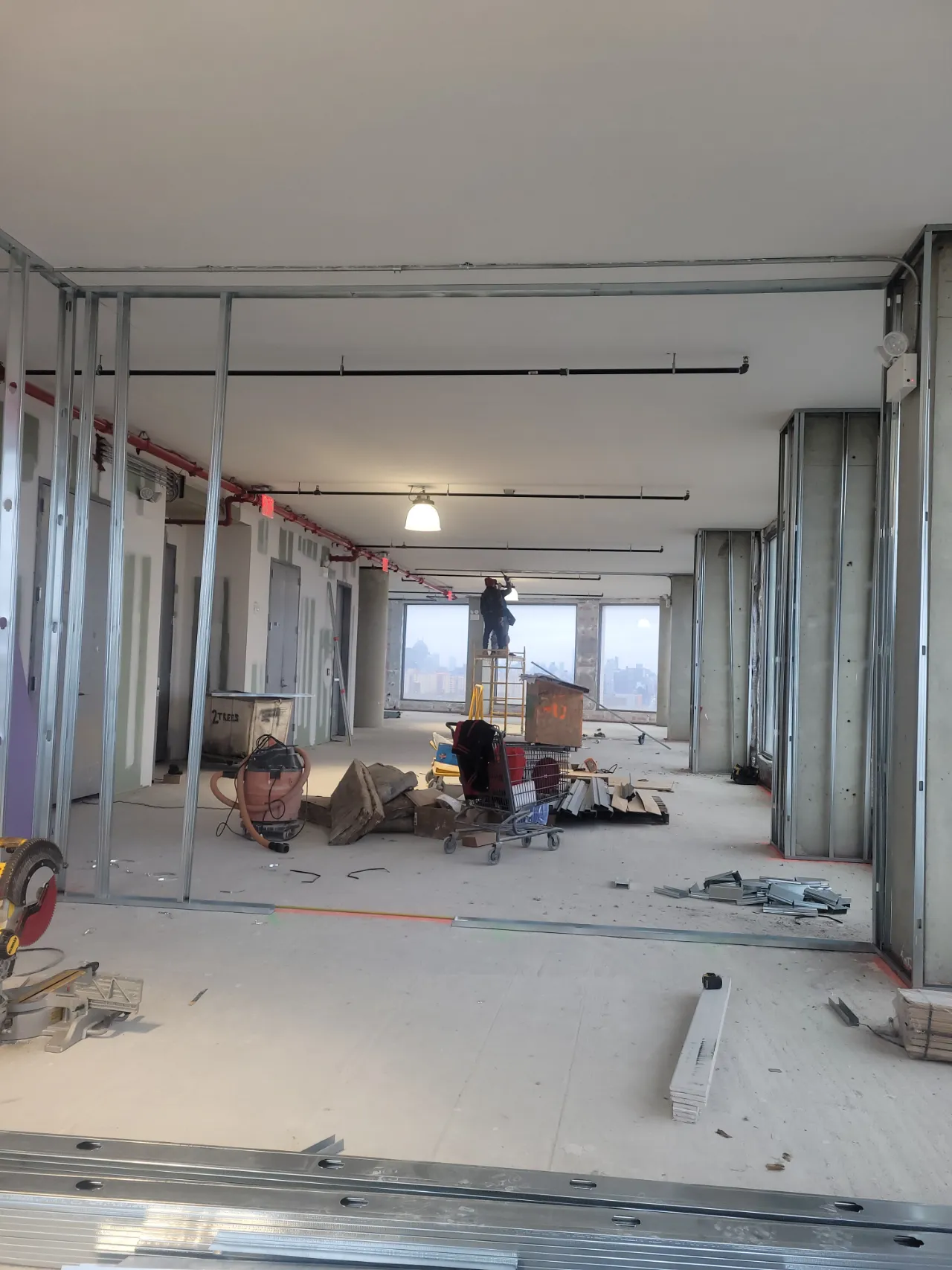
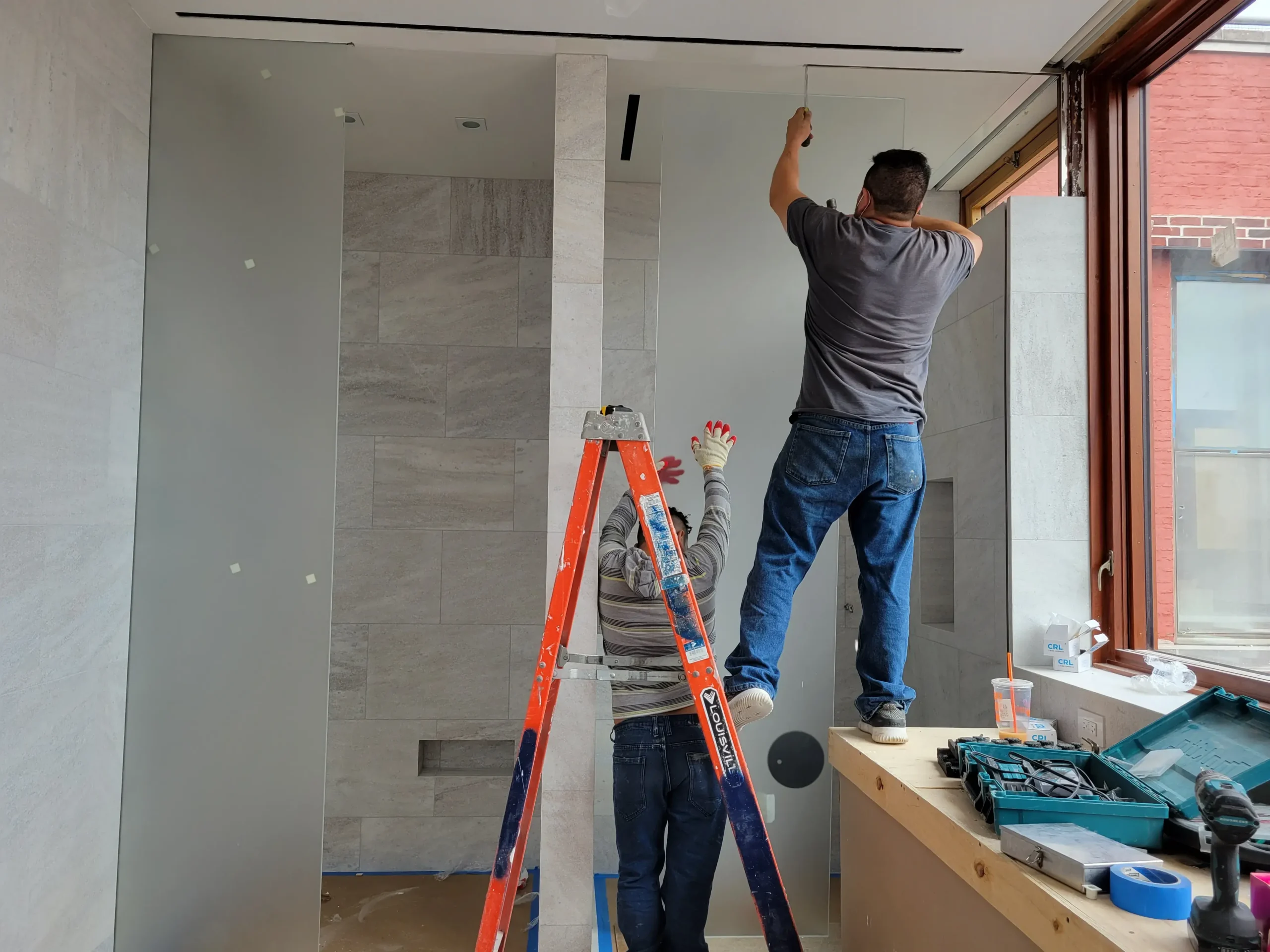
Milan Design Construction has 20+ years of experience renovating Brooklyn brownstones in every neighborhood. We handle hazardous material coordination, historic preservation, full modernization, and permits. Request a free estimate or call now.